
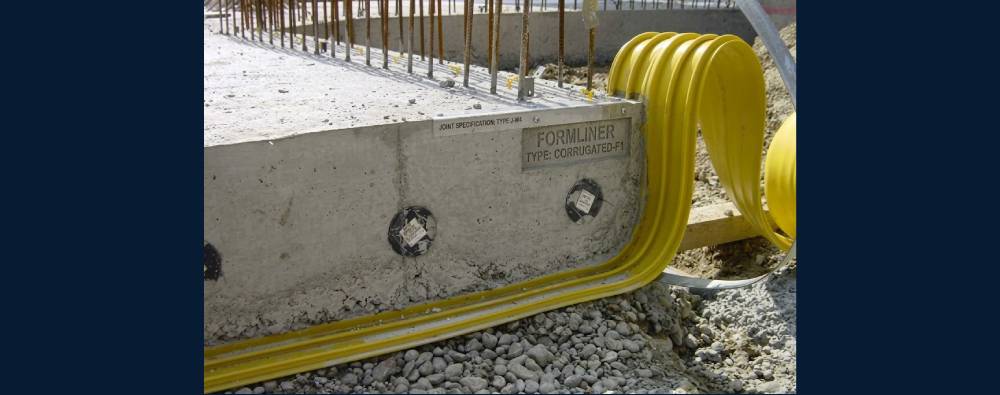
Waterstops are continuous physical barriers embedded in concrete joints or installed in wet areas to block liquid migration and prevent water leaks
How Waterstops Work
- Physical Diaphragm: Materials like PVC act as an impermeable dam across construction or expansion joints.
- Hydrophilic Action: Certain materials absorb water and swell, creating a tight compression seal against the concrete.
- Joint Movement: Designed to accommodate lateral and transverse structural shifts without losing their seal.
Typical Applications
- Substructures: Basements, retaining walls, tunnels, foundations, and lift pits.
- Water Retention: Swimming pools, water treatment plants, and storage reservoirs.
- Residential Interiors: Shower alcoves and bathroom thresholds to protect adjacent timber or carpets.
Main Applications
- Basement walls, foundations, and retaining walls
- Pipe and cable penetrations
- Swimming pools and water-retaining structures
- Tunnels, manholes, and subways
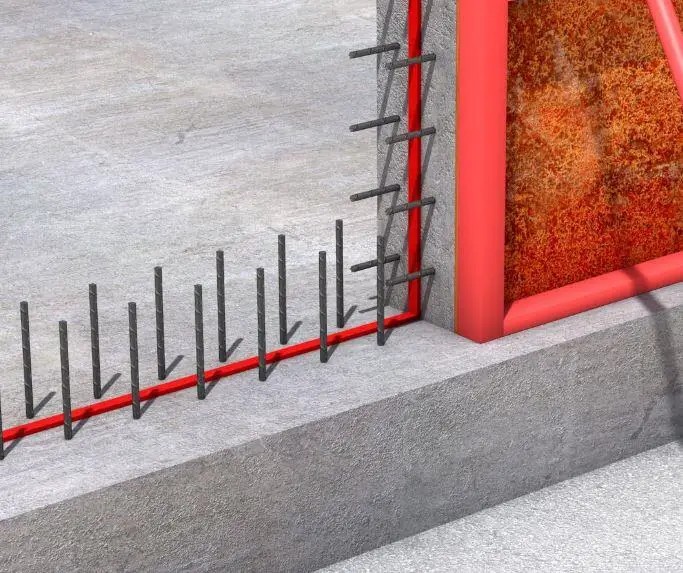
Swelling Water Bars
Swelling water bars (also popular as Swellable Waterstops) are active hydrophilic sealing strips made from materials like sodium bentonite or modified polyurethane-rubber that expand upon contact with water to block leaks in concrete construction joints.
How Swelling Water Bars Work
- Composition: Made from materials like sodium bentonite, polyurethane, or elastomeric polymers.
- Expansion: Swell up to 300% or more of their original size when exposed to moisture.
- Sealing: Creates continuous active pressure against surrounding concrete surfaces to seal micro-cracks and pores.
Different Projects Same Discipline
Whether the requirement involves a specialist product OR a complete project package;
our objective remains the same.
Understand the Requirement. Remove Complexity. Deliver the Result.
Have A Requirement?
Discuss your project with our specialists.